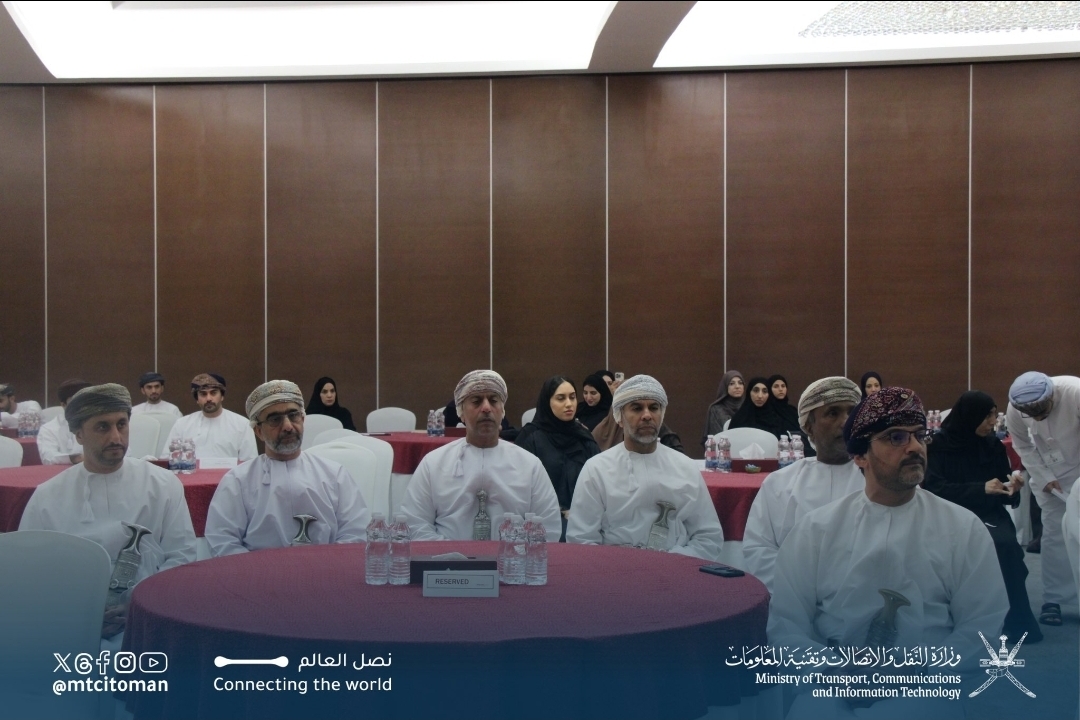
The Ministry of Transport, Communications and Information Technology organized a meeting on open data, under the patronage of His Excellency Dr. Nasser bin Rashid Al Maawali, Undersecretary of the Ministry of Economy, and in the presence of His Excellency Dr. Ali bin Amer Al Shidhani, Undersecretary of the Ministry of Transport, Communications and Information Technology for Communications and Information Technology, along with a number of dignitaries, officials, and representatives of government entities.
This meeting is part of the Ministry's efforts to enhance transparency and make data available to the public, support innovation and digital transformation, enable data-driven decision-making, build national capacity in data management, and raise the level of digital development in government institutions.
The meeting was opened with a speech by Hamdan bin Mohammed Al Alawi, Director of the Artificial Intelligence and Advanced Technologies Development Program, who emphasized that the National Open Data Portal is one of the strategic initiatives within the National Artificial Intelligence and Advanced Digital Technologies Program, launched by the Ministry in September 2024 with the approval of the Council of Ministers. He explained that the program includes initiatives aimed at adopting and localizing artificial intelligence technologies, empowering its economic and developmental sectors, supporting scientific research and startups, and governing the sector to ensure its sustainability and integration with digital transformation efforts.
Al-Alawi also noted that the Ministry had held a series of specialized meetings with government entities to familiarize them with the portal's operational mechanisms and technical requirements, and to train their teams on data management and sharing. This meeting is a continuation of those efforts to develop the open data system.
For his part, Azzan bin Qais Al-Kindi, CEO of Rahhal, the portal's developer, reviewed its key features and advantages that facilitate data exchange, enhance user experience, and support data dissemination according to international standards of transparency and accessibility.
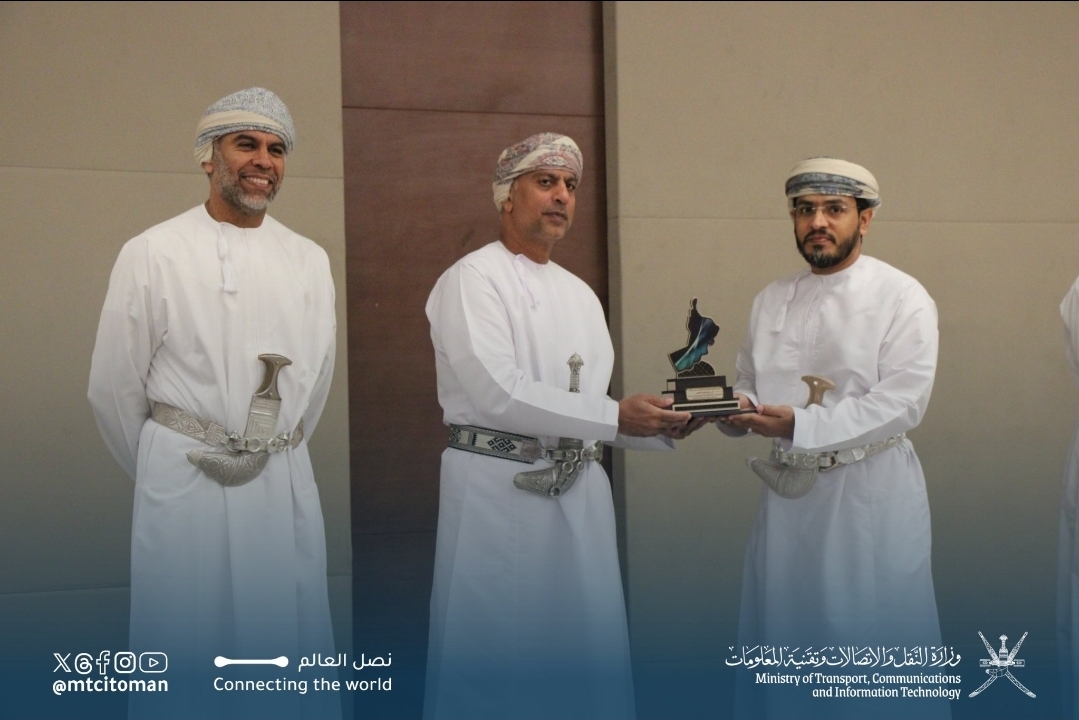
The meeting included honoring several government institutions in recognition of their commitment to quality and sustainability standards in updating data on the National Open Data Portal. This recognition was based on four main categories: data quality and documentation, contribution volume, continuity of updates, and responsiveness.
The meeting also included a review of the experiences of several government entities, highlighting best practices and challenges in developing data management systems and improving the quality of publication. Additionally, a presentation was given on government evaluation criteria for open data within the framework of digital transformation indicators.
The meeting concluded with an open discussion session in which representatives of the participating entities participated, during which experiences and expertise were exchanged, and ways to enhance cooperation and expand the scope of published data were discussed in order to serve the needs of decision-makers, the research community and entrepreneurs.

 عربي
عربي